
—
CALM LIVING
Your Disorganized Kitchen Is Costing You Time and Money (Here’s How to Fix It)

Ella Cole
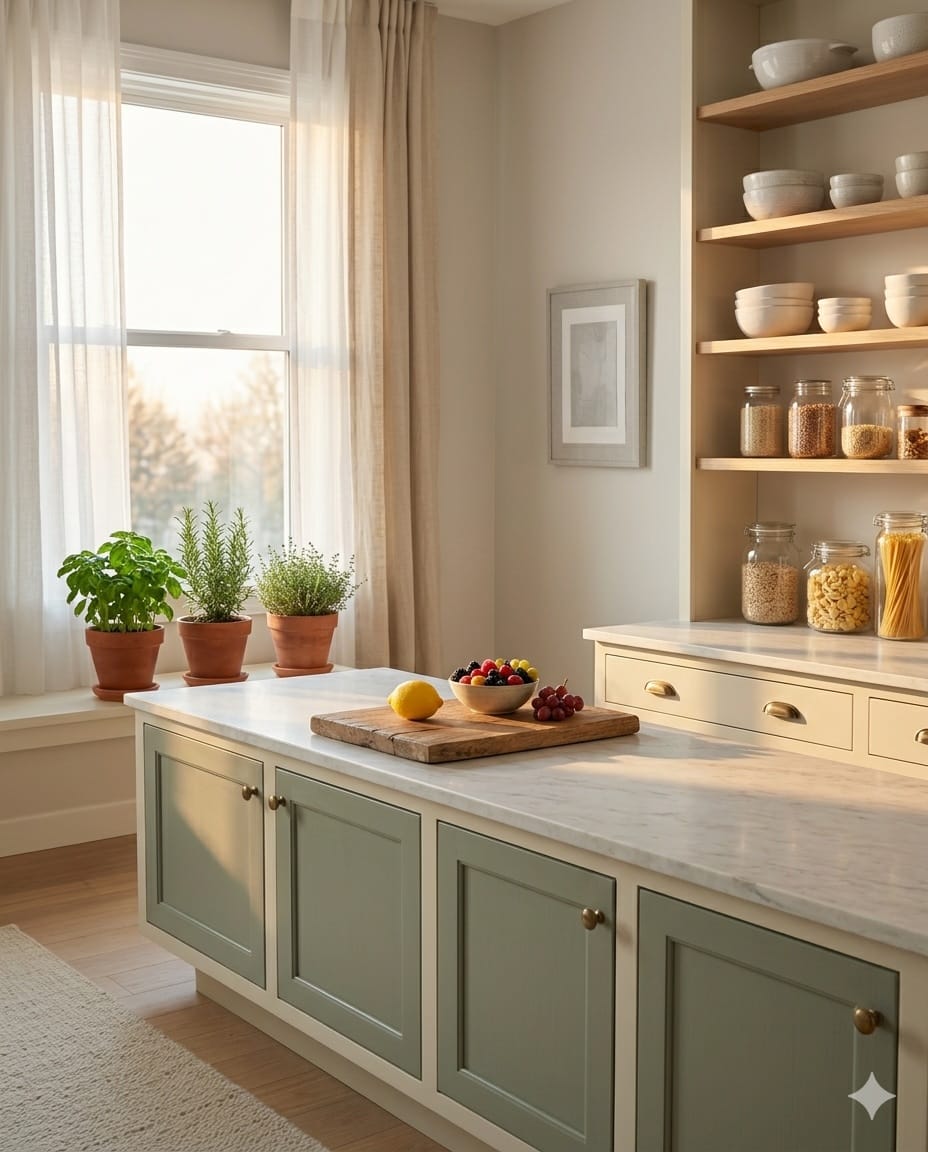
Last week, you bought garlic powder. You’re almost certain it was the third time this year. Somewhere in your spice cabinet — behind the cumin you’ve had since 2019 and the mysterious herb you’ve never identified — there are probably two other jars. But you couldn’t find them when you needed them, so you bought another one. Sound familiar? You’re not alone. And the garlic powder is just the beginning.
A disorganized kitchen is one of the most quietly costly problems in a household. It costs you time every single day. It costs you money in wasted food and duplicate purchases. It costs you the mental energy and creativity you need to actually enjoy cooking. And it costs you peace of mind every time you walk into the room you visit more than any other in your home.
The great news? Kitchen organization doesn’t require a renovation. It doesn’t even require much money. It requires a clear system — and this guide will give you exactly that.
What a Disorganized Kitchen Actually Costs You
Let’s make this tangible, because once you see the real cost, the motivation to fix it becomes much easier to find.
Your Time
Studies on household behavior estimate that the average person spends 2.5 days per year just looking for things they’ve misplaced. In a kitchen, this adds up in small, daily increments — a minute searching for the right pan, two minutes locating the lid that matches your pot, five minutes digging through the pantry to figure out what you have. Across a year, an organized kitchen can save you hours of frustrating, low-value searching.
Your Money
Food waste is a significant financial drain for most households. The average American family throws away approximately $1,500 worth of food every year — and a disorganized fridge and pantry are major contributors. When you can’t see what you have, you don’t use it before it expires. When you can’t find an ingredient, you either skip the meal you planned or run out to buy something you already own (hello, garlic powder jar number three).
Your Mental Energy
Every time you open a chaotic cabinet, you’re asking your brain to solve a small puzzle. Multiply that by dozens of micro-decisions every day, and you have a quiet but steady drain on your cognitive resources — the same energy you need for work, parenting, relationships, and everything else that matters to you.
The Zone-Based Kitchen System
The most effective approach to kitchen organization is organizing by zones — grouping things by how and where you use them, rather than by category alone. This is a simple shift that makes a dramatic difference. Here are the core zones most kitchens benefit from:
- The Cooking Zone. Everything you use at or near the stove: pots, pans, cooking utensils, oils, and the spices you use most often. These should be within arm’s reach of where you cook — not across the kitchen in a cabinet.
- The Prep Zone. Your cutting boards, knives, mixing bowls, measuring cups, and prep tools. Ideally positioned near your main counter workspace.
- The Coffee and Breakfast Zone. If you make coffee or tea every morning, everything related to that ritual should live together — coffee maker, mugs, beans, filters, sugar. A dedicated breakfast zone makes the most-repeated routine in your day frictionless.
- The Pantry Zone. Dry goods, canned items, snacks, and baking supplies — organized so you can see what you have at a glance. Visibility is the key to both reducing waste and simplifying meal planning.
- The Cleaning Zone. Everything under the sink: cleaning products, dishwasher pods, trash bags. Contained, organized, and largely out of your daily visual field.
When you set up zones, every item in your kitchen has a logical home — not just a spot where it happened to land.
How to Tackle Your Kitchen (Without Emptying Everything at Once)
The idea of reorganizing an entire kitchen can feel overwhelming. Here’s a gentler approach that builds momentum without burning you out:
1
Start with the pantry and fridge.
Check expiration dates and remove everything that’s expired, stale, or that you genuinely will not eat. This alone frees up significant space and makes it dramatically easier to see what you actually have.
2
Group like with like.
Return everything to the pantry in clear groups: all canned goods together, all grains together, all snacks together. You don’t need fancy containers for this to work — clarity of grouping is more important than aesthetics.
3
Apply the front-row rule.
Items you use most often should live at eye level and at the front of shelves. Everything else — the holiday baking supplies, the rarely used appliance — can live in the back or up high.
4
Tackle one cabinet at a time.
Pick the most frustrating cabinet in your kitchen. Empty it completely. Wipe it out. Return only what belongs there, organized by zone and frequency of use. One cabinet is a 20–30 minute project. That’s a perfectly sized session.
5
Address the junk drawer.
Every kitchen has one. You don’t have to eliminate it — but you can tame it. Remove anything that belongs elsewhere, throw away genuine trash, and group what’s left into small categories (batteries, cords, tools). A simple drawer divider keeps it manageable from there.
The Refrigerator Reset
Your fridge deserves its own attention, because it’s where food waste (and money) most directly disappears. The guiding principle is simple: everything visible, nothing forgotten.
- Leftovers and items that need to be used soon go at eye level in a clearly designated “eat first” area
- Dairy, deli items, and proteins go in their designated drawers and sections
- Fresh produce goes in the crisper drawers — separate fruits from vegetables if you can, since they off-gas differently
- Condiments and frequently used items stay on door shelves
- Once a week — right before you grocery shop — take 5 minutes to check for anything near expiration and plan to use it
That weekly 5-minute fridge check alone can save you hundreds of dollars a year in food that no longer gets forgotten and thrown away.
The Habits That Keep It Working
The best kitchen system is one you can maintain without conscious effort. Here are the habits that make organization genuinely stick:
- Put things back where they belong — every time, not mostly. This single habit is the entire foundation.
- Do a 10-minute kitchen reset at the end of each day: dishes put away, counters wiped, everything returned to its zone.
- Shop your pantry and fridge before you write your grocery list. A 2-minute walkthrough prevents duplicate purchases and reduces waste.
- One in, one out for appliances and gadgets. When something new comes in, something old goes out.
The Habits That Keep It Working
An organized kitchen doesn’t just save you time and money — it makes cooking feel enjoyable again. When you can find what you need, see what you have, and move through your kitchen with ease, you’re more likely to cook at home, try new recipes, and actually enjoy the process.
Your kitchen is the heart of your home. It deserves to work for you. Start with one zone, one cabinet, or one fridge shelf. That’s enough for today. Keep going tomorrow.
More Guides
ready to begin?
Let us help you create a home that brings peace to your daily life.
No pressure, just ideas and a clear plan. Book a consultation and let’s design calm, organized spaces that actually stay that way.